
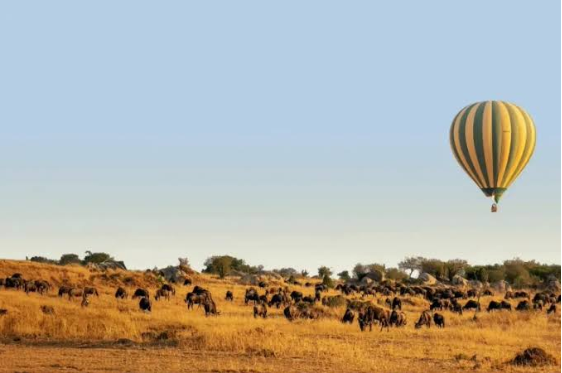
Every year, one of the planet’s last great animal movements unfolds across northern Tanzania and southern Kenya. More than a million wildebeest, joined by zebras and gazelles, follow the rains in a continuous loop through the Serengeti-Mara ecosystem. A Serengeti Great Migration safari lets you witness this movement up close, but it rewards travelers who understand one simple fact: the herds never stay in one place. Success depends on matching your dates, location, and accommodation to where the animals are.
This guide breaks the migration down by season and region, explains how to plan a trip around it, and answers the questions travelers ask most often.
Understanding the Great Migration
The Great Migration is not a single event with a start and finish. It is an endless cycle driven by rainfall and grass growth. Around 1.5 million wildebeest, roughly 200,000 zebras, and hundreds of thousands of Thomson’s gazelles travel a clockwise route that covers several hundred kilometers each year.
Two forces explain the pattern. First, the short, nutrient-rich grass of the southern plains grows after the short rains and supports lactating mothers. Second, as that grass dries out, the animals must head north and west toward longer grass and reliable water. Predators, rivers, and weather shape every step.
For safari planning, this means you are not booking a place so much as a moment. The same camp can be teeming with herds in February and nearly empty of them in June.
The Migration Calendar: Where Are the Herds?
December to March: The Southern Plains and Calving
After the short rains, the herds spread across the southern Serengeti and the Ndutu region on the Ngorongoro border. The grass here is rich in minerals, ideal for nursing mothers. Most calves arrive in a compressed window, often peaking in February, with thousands born on the busiest days.
This stretch offers something different from river-crossing season: newborn wildebeest standing within minutes of birth, and lions, hyenas, and cheetahs exploiting the vulnerable young. The landscape is open, so visibility is excellent. Showers are possible, but they usually pass quickly.
April to May: The Move North Begins
As the long rains arrive, the southern grass is exhausted and the herds stream north through the central Serengeti and the Moru Kopjes area. This is also the rutting season for wildebeest, when males compete loudly for territory. Rain is heavy, roads can be slow, and lodges are quiet and cheaper. Photographers often enjoy dramatic storm skies and green landscapes.
June to July: The Western Corridor and the Grumeti River
The herds typically reach the Western Corridor around the Grumeti River, where large Nile crocodiles lie in wait. Crossings here are less famous than those on the Mara River, but they can be dramatic, and there are usually fewer vehicles. Timing is variable, and some years the herds linger in the central region.
July to October: The Northern Serengeti and the Mara River
This is the season most people imagine. The herds gather along the Mara River in the far north, near Kogatende and the Lamai area, and cross back and forth in search of grazing. Crossings are tense and unpredictable: herds may gather on the bank for hours or days, then plunge in suddenly. Crocodiles, strong currents, and steep banks make every crossing a gamble for the animals.
Some herds also cross into Kenya’s Maasai Mara, so sightings on either side are possible depending on the year.
November: The Return South
With the short rains, the herds begin trekking back through the eastern and central Serengeti toward the southern plains. This is a quieter, lower-cost period, and the cycle starts anew.
Because rainfall varies from year to year, treat these windows as guidelines rather than promises.
Choosing the Right Month for Your Interests
The best time for a Serengeti Great Migration safari depends on what you most want to witness.
| Priority | Best months | Region |
| Calving and predators | Late January to March | Southern Serengeti, Ndutu |
| Dramatic river crossings | Late July to October | Northern Serengeti, Mara River |
| Fewer crowds and lower prices | April, May, November | Central and western areas |
| Photography with open views | February and September | South in February, north in September |
Travelers who want guaranteed action often choose calving season, since it does not depend on a single moment at a river. Those who dream of crossings should accept that, although odds improve with time spent in the north, no operator can promise a crossing on a specific day.
How Long Should You Stay?
Watching the migration well takes time. A rushed two-day visit may mean arriving just as the herds have moved on. For river crossings, aim for at least three to four nights in the northern Serengeti, which gives you several days to wait and watch. For calving season, three nights in the Ndutu area is a good minimum.
A balanced itinerary of five to seven nights can combine two regions, for example the central Seronera area and the north, giving a more complete view of the park’s wildlife as well as the herds.
Where to Stay: Camps That Follow the Herds
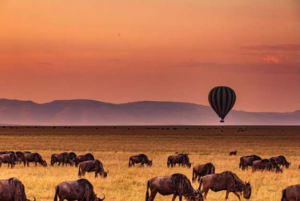
Accommodation strategy is the single biggest factor in a successful migration safari.
Seasonal mobile camps are light tented camps that move with the herds, often relocating between the south, the central region, and the north. Staying in one puts you within minutes of the action and avoids long daily drives.
Permanent tented lodges in the north and south offer comfort and dependable service, and many are positioned near key crossing points or calving grounds.
Public and special campsites serve budget travelers and can place you in remarkable locations, although facilities are basic.
When comparing options, ask a simple question: how far is this camp from where the herds will be during my dates? A beautiful lodge two hours from the river may cost you valuable viewing time.
River Crossing Etiquette and Viewing Tips
River crossings test patience. Here is how to give yourself the best chance of witnessing one:
- Arrive early and be prepared to wait. Guides often position vehicles at likely crossing points before the heat of the day.
- Pack a picnic lunch. Leaving the river to return for a meal may mean missing the moment.
- Respect the animals. Vehicles must not block crossing routes or crowd the herds. Responsible guides will give the animals space even if it costs a better angle.
- Choose the right gear. A long lens, spare batteries, and plenty of memory help, and binoculars let everyone follow the action.
- Stay quiet and still. Sudden noise can send the herds back from the bank.
It is worth remembering that some days bring no crossing at all. Many visitors find the waiting itself, with the sounds of grunting wildebeest and the anticipation along the bank, part of the experience.
Getting There and Getting Around
Most international travelers fly into Kilimanjaro International Airport near Arusha. From there you can drive to the southern Serengeti via the Ngorongoro highlands, or take a domestic flight to an airstrip close to the herds. Flying is especially useful for the north, since driving there from Arusha takes a very long day. Many itineraries combine a road transfer in with a flight out, or the reverse, to balance cost and time.
What the Migration Costs
Migration safaris tend to cost more during the peak river-crossing months and again during calving, when demand is high and well-placed camps book out many months in advance. Costs depend on camp type, group size, and whether you fly or drive. Park and concession fees make up a substantial share, so confirm what is included in any quote and check current fee schedules before booking. Reserving early gives you far more choice, especially for mobile camps.
Why Book With a Specialist Operator
A good operator tracks the herds throughout the year, understands local conditions, and adjusts itineraries when the animals shift. Look for licensed Tanzanian companies, guides with strong tracking experience, clear safety standards, and transparent pricing. Reviews that mention flexibility and guide knowledge are often more useful than those praising the vehicle or the food.
Conclusion
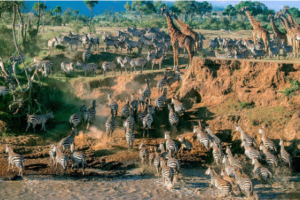
A Serengeti Great Migration safari is a lesson in timing, patience, and respect for natural cycles. The herds follow the rains, not the calendar, so the most rewarding trips are those built around a clear priority, whether newborn calves in the south or crossing drama in the north, and flexible enough to adapt. Choose your season carefully, base yourself close to the action, allow enough nights, and book early with an operator who truly follows the herds. The reward is a front-row view of one of the greatest wildlife spectacles on Earth.
Key Takeaways
- The Great Migration is a continuous, rain-driven cycle involving roughly 1.5 million wildebeest, plus zebras and gazelles.
- Calving in the south peaks around February, while Mara River crossings generally occur from late July to October.
- The herds’ exact location varies year to year, so build flexibility into your plans.
- Three to four nights in one region improves your chances of seeing key moments.
- Choose camps close to the herds, and consider mobile camps that move seasonally.
- Book well ahead for peak months, and confirm exactly what your quote includes.
- Responsible viewing, with space for the animals, protects both wildlife and the experience.
Frequently Asked Questions
When is the best time to see the Great Migration in the Serengeti?
It depends on what you want to see. Late January to March is best for calving, and late July to October is best for river crossings. The herds are in the ecosystem all year, but their location changes.
Can I see a river crossing on every safari?
No. Crossings are unpredictable, and herds may wait at the bank for days. Staying several nights in the north improves your chances, but no one can guarantee a crossing.
Is the Serengeti or the Maasai Mara better for the migration?
Both are excellent and form one ecosystem. The Serengeti hosts the herds for most of the year, including calving, while the Mara typically sees them later in the year. Many travelers choose based on budget and logistics.
How many days do I need for a migration safari?
Five to seven nights is ideal, with at least three to four nights in the region where you most want to see the herds.
Is the migration worth seeing outside the river-crossing season?
Yes. The calving season offers vivid predator action and newborn animals, and the green season brings quieter parks, lower prices, and beautiful scenery.
Should I fly or drive to the northern Serengeti?
Flying saves many hours and is common for the north, while driving suits those who want to see more of the landscape along the way. Many travelers combine both.
How far in advance should I book?
For peak months, book as early as possible, often many months ahead, since the best camps near the herds fill quickly.